
The Ultimate Guide to Understanding Mold and Its Impact on Health
- cordentllc
- Feb 10
- 3 min read
Mold is a common household problem that many homeowners face, yet it often goes unnoticed until it causes visible damage or health issues. Understanding mold, how it grows, and its effects on health can help you protect your home and family. This guide covers everything you need to know about mold, from identifying it to managing its impact.

What Is Mold and How Does It Grow?
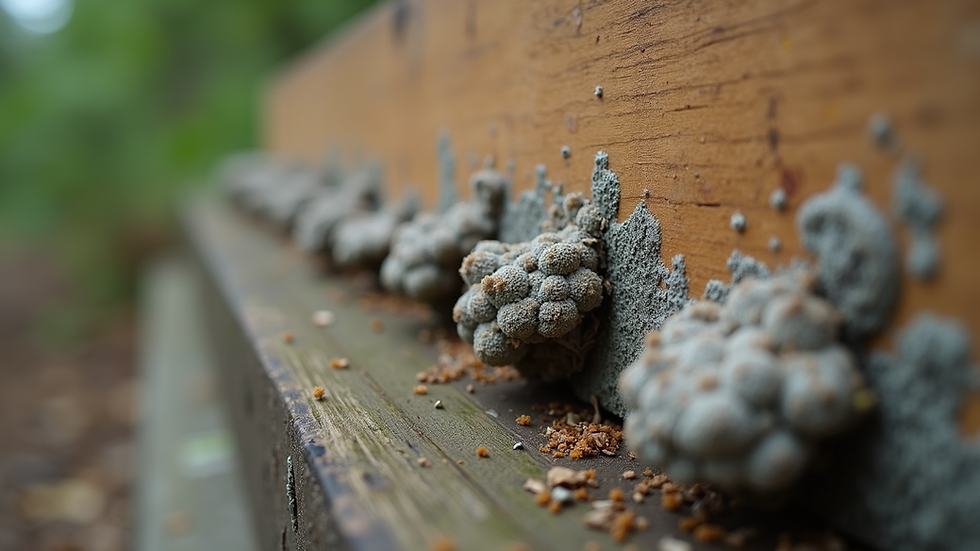
Mold is a type of fungus that thrives in moist environments. It reproduces by releasing tiny spores into the air, which settle on surfaces and grow when conditions are right. Mold can grow on almost any surface, including wood, drywall, carpet, and fabric.
Mold needs three things to grow:
Moisture: Leaks, high humidity, or condensation provide the water mold requires.
Organic material: Mold feeds on materials like wood, paper, and dust.
Warmth: Most molds grow best between 60°F and 80°F (15°C to 27°C).
Homes with poor ventilation, water damage, or high humidity are especially vulnerable to mold growth.
Common Types of Household Mold
Several mold species commonly appear in homes. Knowing their characteristics can help you identify and address mold problems.
Cladosporium: Often found on wood, carpets, and fabrics. It appears as green or black spots.
Aspergillus: Can grow on walls, insulation, and stored food. It ranges in color from yellow to green.
Stachybotrys chartarum (black mold): Grows on wet cellulose materials like drywall and wood. It looks dark green or black and is linked to more serious health concerns.
Penicillium: Found on water-damaged materials and can appear blue or green.
Each mold type has different health risks and removal methods, so proper identification is important.
How Mold Affects Health
Mold exposure can cause a range of health issues, especially for sensitive individuals such as children, elderly people, and those with allergies or respiratory conditions.
Common Symptoms of Mold Exposure
Nasal congestion and sneezing
Coughing and wheezing
Eye irritation and redness
Skin rashes or irritation
Headaches and fatigue
Serious Health Risks
Some molds produce mycotoxins, which can cause more severe reactions. Prolonged exposure to black mold, for example, has been linked to respiratory infections and asthma attacks. People with weakened immune systems may experience more serious complications.
If you or your family experience persistent symptoms that worsen indoors, mold could be the cause. Consult a healthcare professional for proper diagnosis and treatment.
How to Detect Mold in Your Home
Mold is not always visible. It can hide behind walls, under carpets, or inside HVAC systems. Here are some signs to watch for:
Musty or damp odors
Water stains or discoloration on walls and ceilings
Peeling or bubbling paint
Visible mold spots, especially in bathrooms, basements, and kitchens
Increased allergy symptoms when indoors
Using a moisture meter or hiring a professional mold inspector can help detect hidden mold.
Effective Mold Prevention Tips
Preventing mold starts with controlling moisture. Here are practical steps homeowners can take:
Fix leaks promptly in roofs, pipes, and windows.
Use exhaust fans in bathrooms and kitchens.
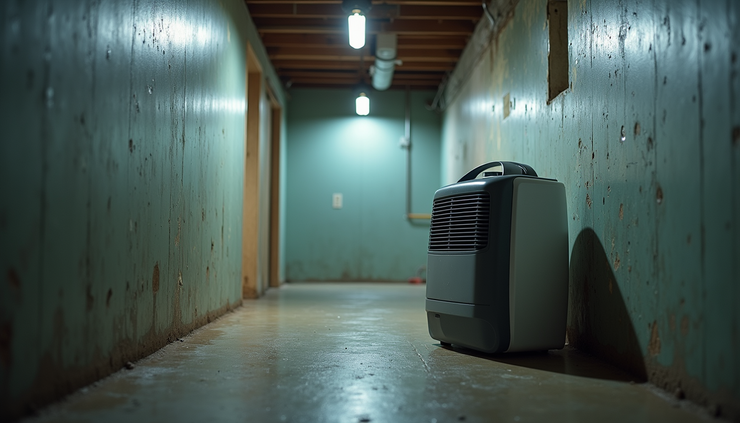
Maintain indoor humidity below 60%, ideally between 30% and 50%.
Ensure proper ventilation in crawl spaces and attics.
Clean and dry wet areas within 24 to 48 hours.
Use mold-resistant products when renovating, such as drywall and paint.
Regular home maintenance and moisture control are the best defenses against mold growth.
How to Remove Mold Safely
Small mold patches can often be cleaned by homeowners using proper precautions:
Wear gloves, goggles, and a mask to avoid inhaling spores.
Use detergent and water or a commercial mold cleaner.
Scrub the affected area thoroughly and dry it completely.
Dispose of contaminated materials like sponges or rags.
For larger infestations or toxic mold, professional remediation is recommended. Experts use specialized equipment and techniques to remove mold safely and prevent recurrence.
When to Call a Professional
Consider hiring a mold remediation specialist if:
Mold covers more than 10 square feet.
You suspect mold inside walls or HVAC systems.
You experience health symptoms linked to mold exposure.
You have ongoing moisture problems that are hard to fix.
Professionals can assess the extent of mold, identify the source of moisture, and ensure thorough removal.
Final Thoughts on Mold and Your Home
Mold is more than just an unsightly nuisance. It can damage your home and affect your family’s health. Understanding how mold grows, recognizing the signs, and taking steps to prevent and remove it can protect your living space.


Comments